Introducing the Quran for children is one of the most meaningful and impactful gifts that parents, guardians, and educators can offer to the younger generation. The Quran is not only the holy scripture of Islam but also a complete guide for life, teaching morals, spirituality, and wisdom. When children are introduced to the Quran for children at an early age, it creates a strong spiritual foundation that shapes their worldview, character, and behavior throughout their lives. This article will explore why the Quran for children is so important, the benefits it offers, effective teaching methods, challenges to be aware of, and how modern technology and platforms like almustafaquran are revolutionizing Quranic education for kids.
Why the Quran for Children Matters
Childhood is a crucial period for growth and development — not just physically, but emotionally, intellectually, and spiritually. The Quran for children plays a vital role during this stage by nurturing faith and instilling core Islamic values. Teaching children the Quran early helps them understand their religion deeply, making them more aware of their identity as Muslims and the responsibilities that come with it.
When children are exposed to the Quran for children, they begin to appreciate the beauty of its language, the wisdom in its stories, and the guidance it provides. This early connection often results in children developing a natural inclination to live by the principles of kindness, honesty, patience, and respect taught in the Quran. Moreover, the Quran serves as a source of comfort and strength in challenging times, and learning it as a child equips them with spiritual resilience for life.
Key Benefits of Introducing the Quran for Children
Teaching the Quran for children offers a wide range of benefits that go beyond religious knowledge. Some of the key advantages include:
- Spiritual Connection: Learning the Quran helps children build a direct connection with Allah. This spiritual bond nurtures inner peace and a sense of purpose.
- Moral and Ethical Framework: The Quran provides clear guidance on right and wrong, helping children develop strong values and good character.
- Cultural Awareness: The Quran introduces children to Islamic history, traditions, and the richness of Muslim culture, enhancing their sense of belonging.
- Language Development: Reciting Quranic verses enhances children’s Arabic language skills, including pronunciation, vocabulary, and comprehension.
- Personal Growth: The Quran teaches virtues such as patience, gratitude, humility, and forgiveness, which are essential for personal and social success.
By integrating the Quran for children into their daily lives, kids grow up with a balanced personality — spiritually aware, morally grounded, and intellectually curious.
Effective Ways to Teach the Quran for Children
Teaching the Quran for children can be a rewarding yet challenging task. To maximize effectiveness, parents and educators should use methods that engage children actively and make learning enjoyable. Here are some tried-and-tested techniques:
- Storytelling: Narrate stories from the Quran in a vivid, engaging way. Children love stories about the prophets, miracles, and moral lessons, which make Quranic teachings memorable and relatable.
- Interactive Activities: Incorporate games, puzzles, and quizzes based on Quranic content. Interactive learning increases retention and keeps children motivated.
- Recitation Practice: Encourage children to recite short surahs and verses daily. Regular practice improves their memorization, pronunciation, and confidence.
- Visual Aids: Use colorful illustrations, flashcards, and educational videos to depict Quranic stories and concepts. Visual stimuli help children understand abstract ideas better.
- Consistent Routine: Establish a fixed time each day dedicated to Quran study. Consistency helps develop discipline and ensures steady progress over time.
Combining these methods creates a balanced approach that caters to different learning styles and keeps children interested in the Quran for children.

Common Challenges and Solutions in Teaching Quran for Children
While teaching the Quran for children is incredibly rewarding, it is not without its challenges. Awareness of these difficulties and practical solutions can make the journey smoother:
- Short Attention Spans: Young children may find it hard to focus for long periods. To address this, keep lessons short, varied, and interactive, breaking material into manageable parts.
- Difficulty in Understanding: Some Quranic concepts are complex. Simplify explanations using everyday examples and relatable stories to make the content accessible.
- Lack of Motivation: Children sometimes lose interest or feel overwhelmed. Use positive reinforcement, praise, and small rewards to encourage consistent effort.
- Pronunciation Issues: Arabic pronunciation can be difficult. Utilize audio resources, recitation apps, and gentle correction to help improve accuracy.
- Busy Schedules: Families often have tight routines. Integrate Quran study into daily activities, even if only for 10–15 minutes, to maintain momentum.
By addressing these challenges proactively, parents and teachers can create a supportive environment that fosters a love for the Quran for children.
How Technology Enhances Quran for Children Learning
The digital age offers incredible opportunities to enhance the way children learn the Quran. Technology makes Quran education more accessible, interactive, and adaptable to individual needs.
The Role of Online Platforms in Quran for Children Education
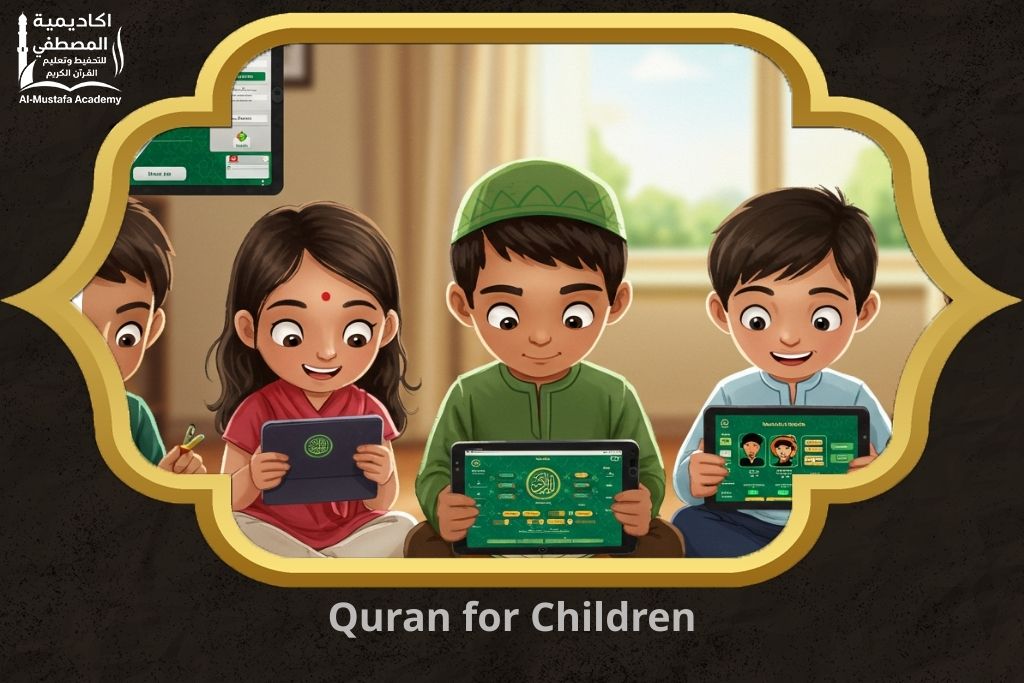
Online platforms such as almustafaquran are at the forefront of transforming Quran education for children. These websites and apps provide an array of carefully designed resources to support parents and educators in teaching the Quran for children. Features include:
- Interactive Quran Reading: Guided reading sessions that help children follow along with correct pronunciation and tajweed rules.
- Audio Recitations: Professional reciters’ audio to model beautiful and accurate Quranic recitation.
- Educational Videos and Quizzes: Engaging multimedia content that reinforces Quranic knowledge through fun quizzes and interactive lessons.
- Printable Worksheets and Coloring Pages: Creative materials that combine learning with art, helping children internalize Quranic stories and values.
These tools make learning the Quran for children not only effective but also enjoyable, catering to different learning preferences and modern lifestyles. Parents can track progress and customize lessons, ensuring children receive personalized Quranic education.
Conclusion
Introducing the Quran for children at an early age is one of the most valuable investments you can make in your child’s future. It not only nurtures faith and spiritual growth but also builds character, morals, and a strong sense of identity. The Quran becomes a lifelong companion, offering guidance, comfort, and wisdom in every stage of life.
If you’re looking for trusted, engaging, and comprehensive resources to support your child’s Quranic learning, consider subscribing to almustafaquran. Their expertly curated content and interactive learning tools make teaching the Quran for children simple, effective, and inspiring. Begin this beautiful journey today and watch your child flourish in faith and knowledge with Almustafaquran.